A Bond Without a Borrower
<p><i>How Fully Collateralized, Bankruptcy-Remote Catastrophe Bond Structures Differ from Traditional Credit</i></p>
<p><i>How Fully Collateralized, Bankruptcy-Remote Catastrophe Bond Structures Differ from Traditional Credit</i></p>
<p><i>A $65 billion market, three consecutive years of double-digit returns, and a correlation to stocks and bonds close to zero — catastrophe bonds may be a potentially useful diversification tool most allocators have never used.</i></p>
<p><i>Vijay Manghnani, co-founder of King Ridge Capital Advisors, LLC (sub-adviser to the Brookmont Catastrophe Bond ETF, NYSE: ILS), recently joined Ben Webster on the Scaling Alpha podcast to talk through his path from meteorology to catastrophe risk investing, and what makes insurance-linked securities a distinct addition to a diversified portfolio. Below is an edited Q&A drawn from that conversation.</i></p>
<p><i>Why Catastrophe Bond ETFs Reprice Without Deleveraging</i></p><p> </p><p>Periods of market stress are often accompanied by a wave of selling driven not by fundamentals, but by balance-sheet constraints, funding pressures, and forced deleveraging. As a result, there is a natural presumption that catastrophe bonds — particularly in ETF form — will behave like high-yield credit during periods of macro stress, experiencing indiscriminate selling and liquidity breakdowns. This paper argues that such a presumption is analytically and structurally misplaced when evaluated through the mechanics of catastrophe bond markets.</p><p> </p>
<p><i>ELNIÑO, HISTORY, AND THE LESSONS WE MUST NOT FORGET</i></p><p><i>Published: June 3, 2026 | Season Dates: June 1 – November 30, 2026 | <strong>ENSO Status: Developing El Niño</strong></i></p>
<p><i>A Plain-English Guide for Investors New to This Asset Class</i></p><p> </p><p>Learn the fundamentals of catastrophe bonds, including how they work, their potential risks and benefits, and the role they can play in a diversified investment portfolio.</p><p> </p>
<p><strong>Private Credit and BDCs May Reinforce Rather Than Diversify Credit Exposure</strong></p><p> </p><p>Over the past decade, private credit has evolved from a relatively specialized strategy into a central allocation within many institutional portfolios. Pension funds, endowments, insurers, and family offices have increasingly embraced the asset class as a way to generate income in an environment where traditional fixed income often struggled to provide attractive yields.</p><p> </p>
<p><strong>How Catastrophe Bonds Are Helping Redefine Portfolio Resilience</strong></p><p> </p><p>The 60/40 portfolio, long regarded as the cornerstone of institutional and retail asset allocation, has come under increased scrutiny in recent years. Instances of simultaneous equity and bond drawdowns, driven by inflation shocks and fiscal uncertainty, have raised questions about its future viability. </p>
<p>Fixed income securities have long been a foundational building block of conservative investment strategies, providing stability and predictability. In recent years, consistently low bond yields, combined with escalating inflation and interest rates, along with increasing correlations with equities, have sparked concerns about bonds' capacity to effectively diversify portfolios and reduce risk.</p>
<p>Hurricane Helene developed on September 22, 2024 as a low-pressure system in the western Caribbean. Strengthening as it approached the Yucatán Peninsula, it reached tropical storm status on September 24 and intensified into a Category 4 hurricane by September 26 while moving through the Gulf of Mexico. Helene made landfall near Perry, Florida (see <i>Figure 1</i>), with winds of 140 mph, causing severe storm surge in Tampa Bay - the highest in over 80 years, marking it as the strongest storm to hit Florida's Big Bend since 1851.</p><p> </p><p> </p><p> </p>
<p>In this series on CAT bonds, we’ve explored how this asset class has demonstrated resilience through dynamic shifts in 2023 and steady returns through 2024. In <a href="https://www.linkedin.com/pulse/riding-wave-how-catastrophe-bonds-maintained-momentum-vijay-manghnani-55s7e/?trackingId=bau6gDihQ4qPwtz031KtyQ%3D%3D">Part 1</a>, we covered the historical performance and stability of CAT bonds, and <a href="https://www.linkedin.com/pulse/springing-ahead-analyzing-cat-bond-returns-2024-vijay-manghnani-dwlyc/?trackingId=2rCQVPq%2FShi7kAu0mnMDNA%3D%3D">Part 2</a> focused on the return drivers supporting robust market activity.</p>
<p>In 2023, catastrophe bonds (CAT bonds) proved to be a standout performer among alternative asset classes, riding a wave of strong returns and market resilience. As we move through 2024, many investors are eager to see whether these trends will hold, especially after a spring marked by unexpected shifts in yield spreads.</p>
<p>Catastrophe bonds play an important role in enabling disaster recovery and adaptation. They protect societal risk aggregators such as, insurance firms, sovereign entities and large corporations, from large financial losses due to severe catastrophe events, such as hurricanes, earthquakes and floods etc. These bonds are a key type of a growing class of insurance-linked securities (ILS).</p>

How Fully Collateralized, Bankruptcy-Remote Catastrophe Bond Structures Differ from Traditional Credit
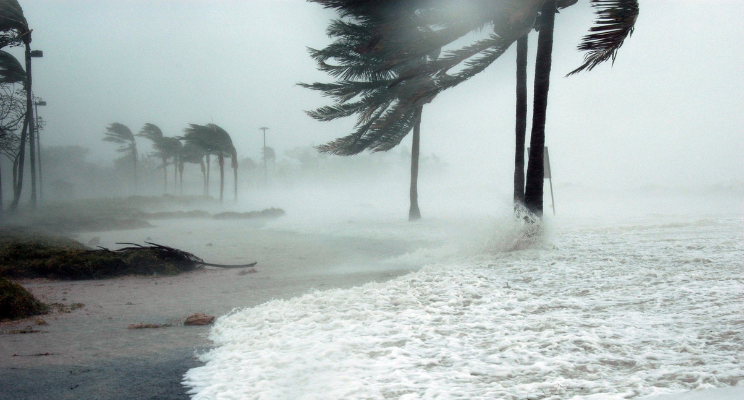
A $65 billion market, three consecutive years of double-digit returns, and a correlation to stocks and bonds close to zero — catastrophe bonds may be a potentially useful diversification tool most allocators have never used.
Vijay Manghnani, co-founder of King Ridge Capital Advisors, LLC (sub-adviser to the Brookmont Catastrophe Bond ETF, NYSE: ILS), recently joined Ben Webster on the Scaling Alpha podcast to talk through his path from meteorology to catastrophe risk investing, and what makes insurance-linked securities a distinct addition to a diversified portfolio. Below is an edited Q&A drawn from that conversation.
Why Catastrophe Bond ETFs Reprice Without Deleveraging
Periods of market stress are often accompanied by a wave of selling driven not by fundamentals, but by balance-sheet constraints, funding pressures, and forced deleveraging. As a result, there is a natural presumption that catastrophe bonds — particularly in ETF form — will behave like high-yield credit during periods of macro stress, experiencing indiscriminate selling and liquidity breakdowns. This paper argues that such a presumption is analytically and structurally misplaced when evaluated through the mechanics of catastrophe bond markets.

ELNIÑO, HISTORY, AND THE LESSONS WE MUST NOT FORGET
Published: June 3, 2026 | Season Dates: June 1 – November 30, 2026 | ENSO Status: Developing El Niño

A Plain-English Guide for Investors New to This Asset Class
Learn the fundamentals of catastrophe bonds, including how they work, their potential risks and benefits, and the role they can play in a diversified investment portfolio.

Private Credit and BDCs May Reinforce Rather Than Diversify Credit Exposure
Over the past decade, private credit has evolved from a relatively specialized strategy into a central allocation within many institutional portfolios. Pension funds, endowments, insurers, and family offices have increasingly embraced the asset class as a way to generate income in an environment where traditional fixed income often struggled to provide attractive yields.
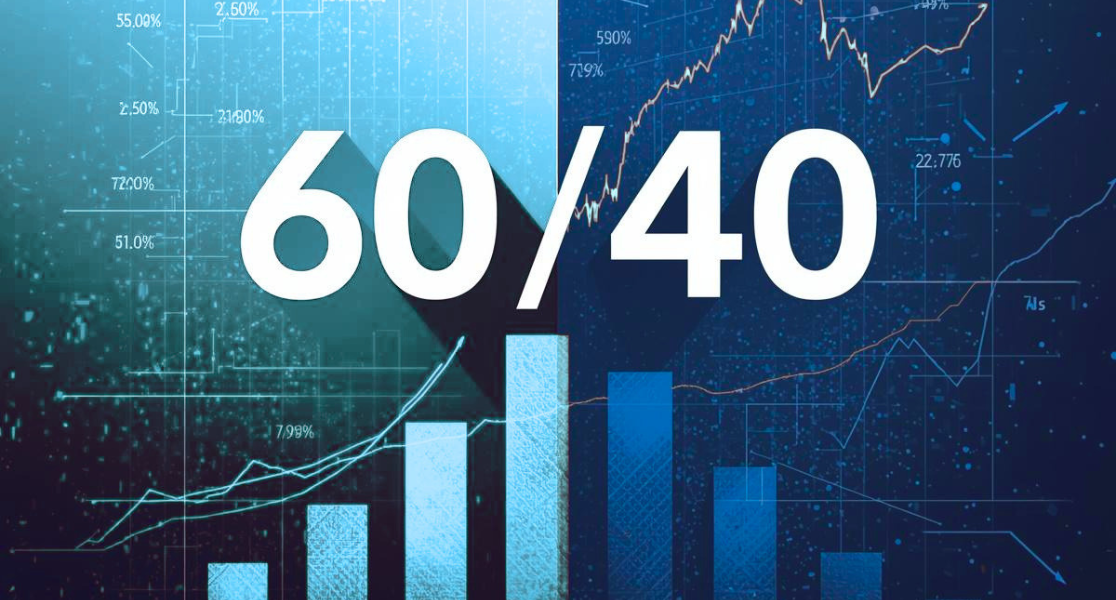
How Catastrophe Bonds Are Helping Redefine Portfolio Resilience
The 60/40 portfolio, long regarded as the cornerstone of institutional and retail asset allocation, has come under increased scrutiny in recent years. Instances of simultaneous equity and bond drawdowns, driven by inflation shocks and fiscal uncertainty, have raised questions about its future viability.

Fixed income securities have long been a foundational building block of conservative investment strategies, providing stability and predictability. In recent years, consistently low bond yields, combined with escalating inflation and interest rates, along with increasing correlations with equities, have sparked concerns about bonds' capacity to effectively diversify portfolios and reduce risk.
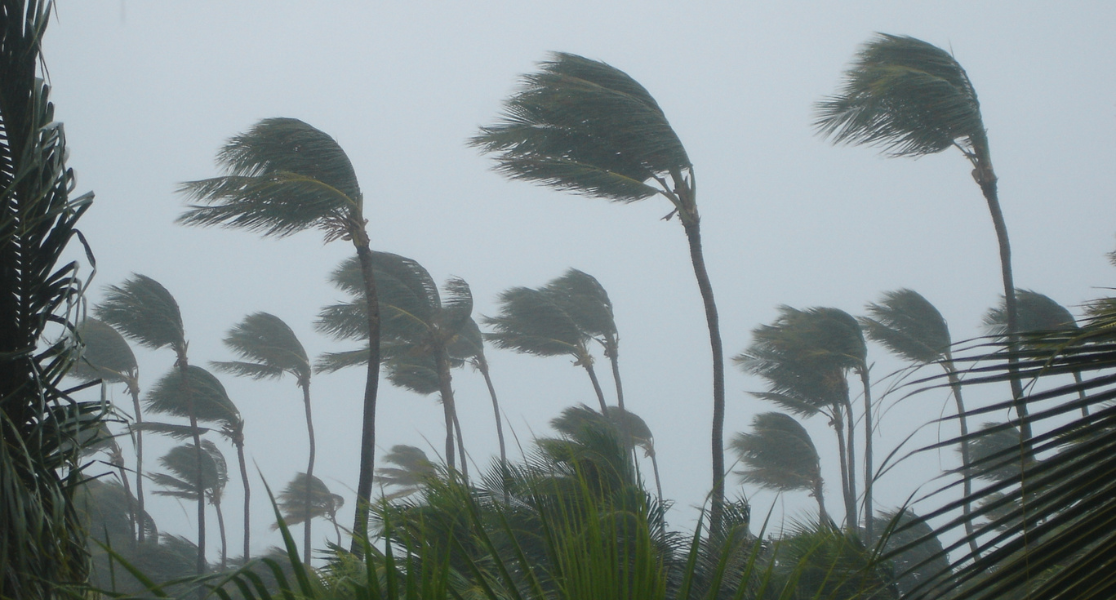
Hurricane Helene developed on September 22, 2024 as a low-pressure system in the western Caribbean. Strengthening as it approached the Yucatán Peninsula, it reached tropical storm status on September 24 and intensified into a Category 4 hurricane by September 26 while moving through the Gulf of Mexico. Helene made landfall near Perry, Florida (see Figure 1), with winds of 140 mph, causing severe storm surge in Tampa Bay - the highest in over 80 years, marking it as the strongest storm to hit Florida's Big Bend since 1851.
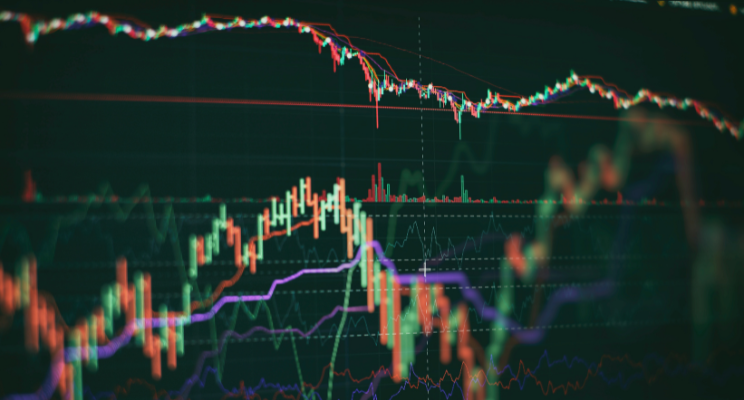
In this series on CAT bonds, we’ve explored how this asset class has demonstrated resilience through dynamic shifts in 2023 and steady returns through 2024. In Part 1, we covered the historical performance and stability of CAT bonds, and Part 2 focused on the return drivers supporting robust market activity.
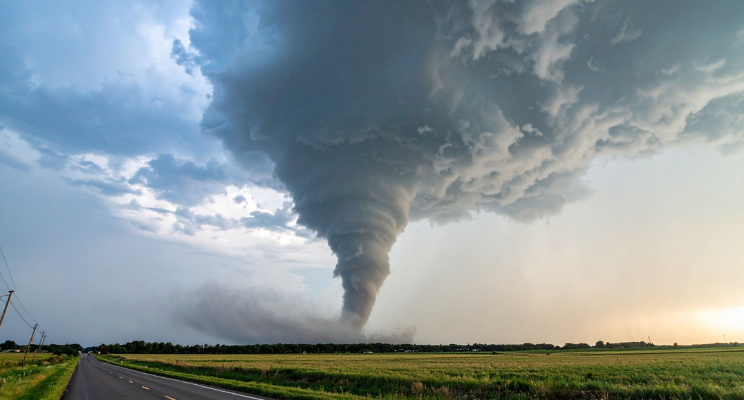
In 2023, catastrophe bonds (CAT bonds) proved to be a standout performer among alternative asset classes, riding a wave of strong returns and market resilience. As we move through 2024, many investors are eager to see whether these trends will hold, especially after a spring marked by unexpected shifts in yield spreads.
The information contained on this page and in the linked articles, white papers, and other materials (collectively, "Insights") is provided by King Ridge Capital Advisors, LLC ("King Ridge," "we," or "us") for general informational and educational purposes only. It does not constitute investment, legal, tax, or accounting advice, and is not a recommendation or solicitation to buy or sell any security, investment product, or strategy, including catastrophe bonds, insurance-linked securities ("ILS"), or any fund managed or sub-advised by King Ridge.
Not Personalized Advice. Nothing on this page nor the Insights provided should be construed as individualized investment advice. Any strategies, opinions, or analyses discussed are general in nature and do not take into account the specific investment objectives, financial situation, or needs of any particular investor. Before making any investment decision, readers should consult with a qualified financial, legal, and tax advisor regarding their own circumstances.
© 2026 King Ridge Capital Inc.. All Rights Reserved.